April 17Prom tickets on sale at Business Office or online until April 29th
April 17Boys volleyball lost 0-3 to Lutheran 4/14
April 17Chamber Orchestra is going to State April 23rd and the 24th...Go give them your support!
March 20The days are counting down to graduation on May 20th. Stay strong seniors!
March 20The prom theme for 2026 is... MasqueraVe!
March 20Spring musical: Newsies, opening night April 16, 6:30 pm in the auditorium. (Alternative showings: April 17 at 6:30 pm, and April 18 at 1:30 pm and 6:30 pm)
March 20April: 14/15/16 are PSAT and SAT dates
March 20HAPPY SPRING BREAK COUGARS
March 6Congratulations to DB Henderson (Derek), an 11th grader, for winning the State Poetry contest! He now moves on to Nationals!
January 9Minneapolis woman killed by ICE agents in her car on Wednesday, January 7 was a Coronado graduate (Class of2006).
Holiday food traditions around the world offer far more than seasonal flavors; they tell stories of heritage, identity, and togetherness. From ancestral rituals to acts of service within local communities, culinary traditions act as a bridge across cultures, inviting people to experience connection through taste and shared experience.
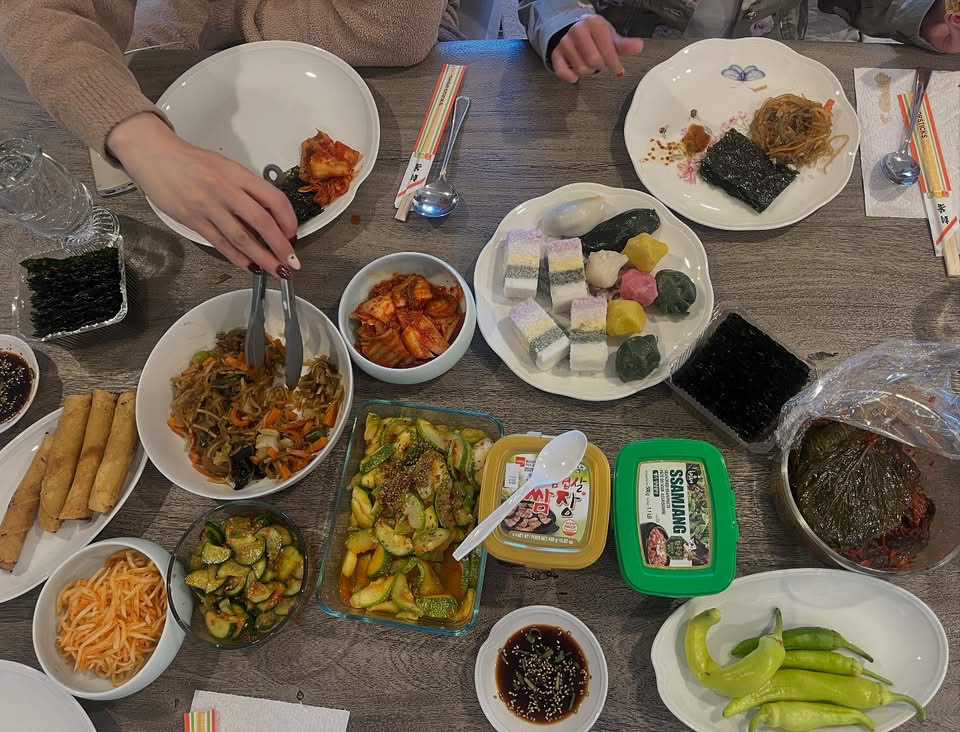
For many, holiday cuisine is deeply personal. Coronado’s culinary teacher, Ms. Mooney, reflected on her own cultural roots, explaining, “As someone of Korean heritage, I may be biased, but I believe Chuseok offers some of the most distinctive and meaningful holiday cuisine.” She describes dishes such as songpyeon (rice cakes) and japchae, each tied to rituals of honoring ancestors and celebrating family across generations. Chuseok, often referred to as Korean Thanksgiving, serves as a prime example of how food preserves identity while passing traditions from one generation to the next.
Across cultures, food is more than just a meal, it’s a symbol. Lieve Dijkhuis, a foreign exchange student from the Netherlands, noted that “holiday foods back home are specialty foods reserved for meaningful occasions.” These foods don’t just appear seasonally; they represent tradition, nostalgia, and cultural pride.
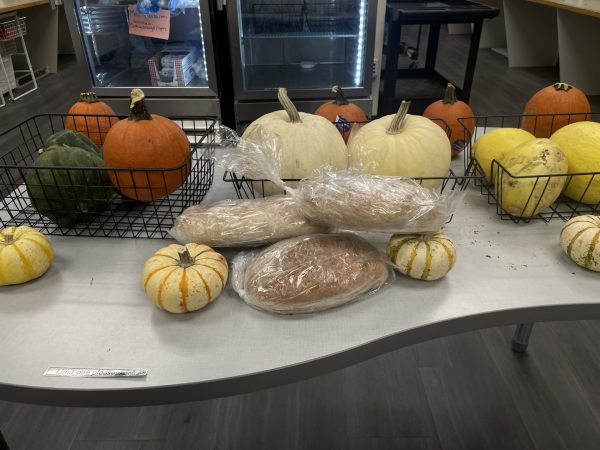
Bread for Harvest of Love (Sophia Ullrich)
The United States, often described as a cultural “melting pot,” provides a unique environment where these global culinary traditions coexist. Exposure to international foods not only expands palates, but it also broadens perspectives, allowing students to learn about the world through the flavors present in their own communities.
At school, this appreciation for global food traditions extends beyond the classroom and into acts of service. During this year’s Harvest of Love food drive, students used their culinary skills to support families in need. According to Ms. Mooney, “students in my class participated in baking over 150 loaves of fresh bread for the Thanksgiving season… students of every background and socioeconomic status partook in celebration through sharing their knowledge and skillset of food to supply those in need.” This collaborative effort turned holiday baking into a community-centered mission, demonstrating how traditions can nurture both culture and community.
Whether through Korean rice cakes, homemade bread, Dutch holiday dishes, or countless other cultural dishes, international holiday treats highlight the shared human experience of gathering, giving, and honoring the past. When people celebrate global traditions, they don’t just taste new flavors; they gain a deeper appreciation of the stories, histories, and communities behind them.
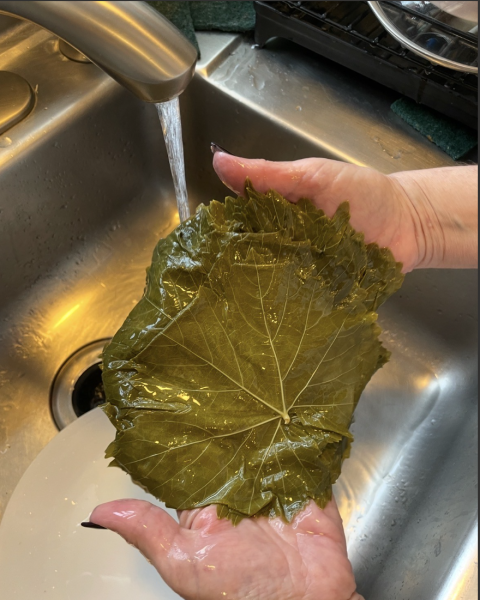
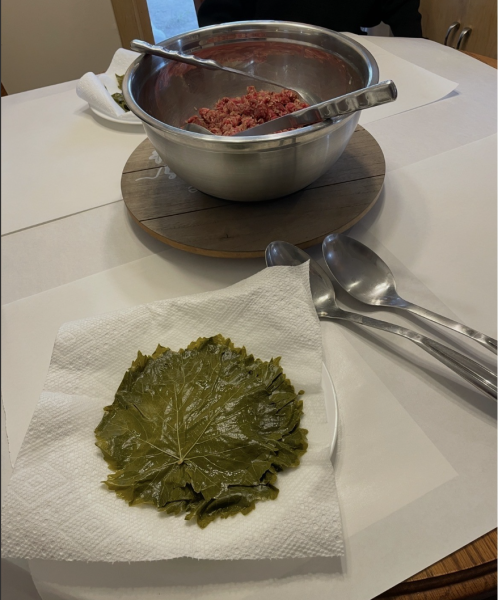
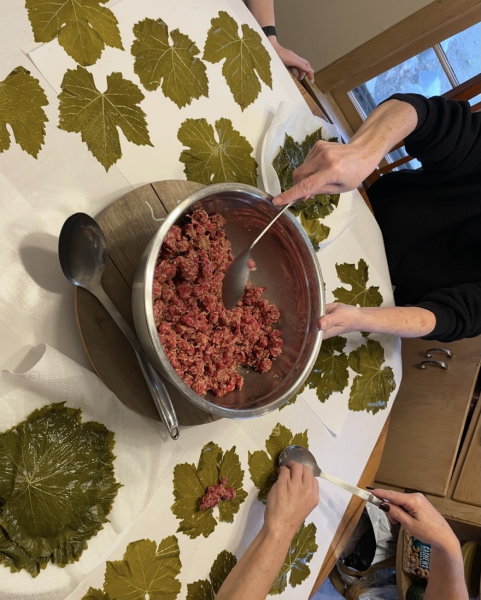
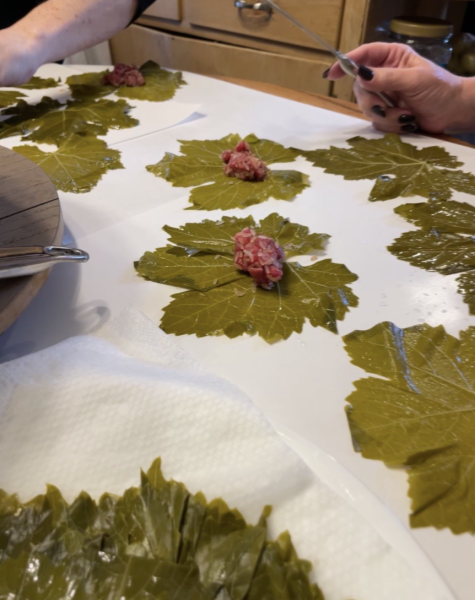
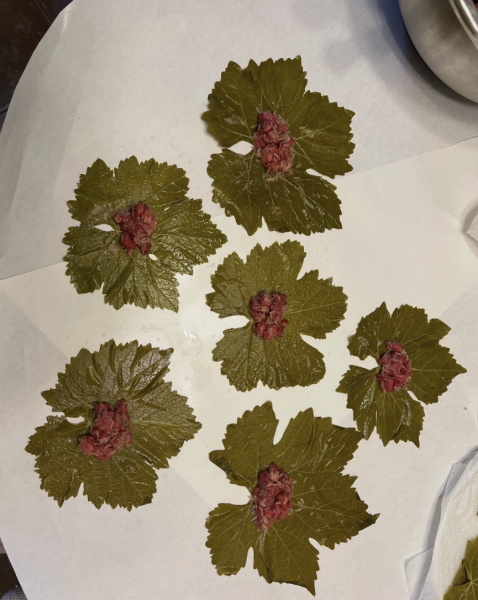
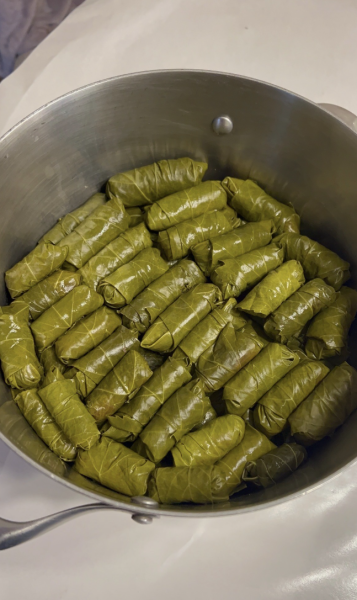
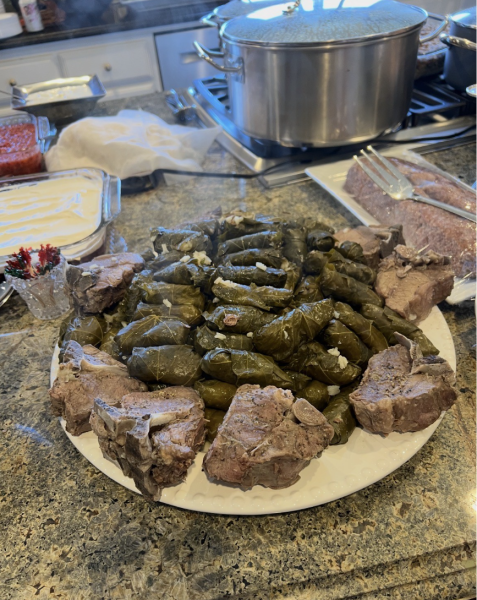
This photo shows the very first step in preparing grape leaves for cooking: gently rinsing them under cool running water. The hands in the image are carefully separating and holding the delicate leaves, making sure to wash away excess brine so they’re ready for stuffing later. The sink setting and the slow stream of water highlight how simple and hands-on this process is, setting the tone for a homemade, traditional recipe. It captures the quiet, careful preparation that begins the process of making fresh, flavorful stuffed grape leaves.This image shows the setup for filling the grape leaves, marking the transition from preparation to assembling the dish. The cleaned leaves rest on paper towels in the foreground, ready to be stuffed, while a large metal bowl of seasoned beef tenderloin rice mixture sits at the center of the table. Spoons are laid out for portioning the filling, and the clean, organized workspace highlights the careful, hands-on nature of the process. This moment captures the calm before the repetitive, skillful work of rolling each grape leaf begins.The table is lined with neatly arranged grape leaves, each one ready to be filled. Several hands work together, scooping portions of the meat mixture from the large bowl in the center and placing it onto each leaf. The scene shows the teamwork and rhythm that go into preparing this traditional dish: everyone contributing, each leaf becoming one step closer to a finished roll. It’s a moment that highlights both the craft of the recipe and the shared experience of making it.This image zooms in on the careful placement of filling onto each grape leaf. Small portions of the seasoned meat mixture sit neatly in the center of the leaves, showing the start of the rolling process. Hands are visible at work, shaping and adjusting the filling so every roll will be uniform. The close-up perspective highlights the precision and patience involved, each leaf becomes its own little package, prepared one by one before the folding begins.Each leaf is positioned vein-side up to make wrapping easier, and the small mounds of rice and meat sit perfectly in the center. The arrangement creates a sense of order and rhythm, highlighting the repetitive but satisfying steps of the process. It captures the moment right before the leaves are folded into tight, uniform bundles, one of the most recognizable stages in making traditional stuffed grape leaves.The bottom of the pot is first covered with a layer of lamb chops, creating a flavorful base for cooking. On top of that, the rolled grape leaves are arranged carefully and tightly, almost like pieces in a game of Jenga. Each roll is placed with intention, fitting snugly against the next so they stay secure and hold their shape while they cook. This method not only keeps the rolls from unraveling but also allows the flavors from the lamb to rise through the layers, enriching every bite.The grape leaves are flipped from the pot onto the plate, and the lamb is arranged around it for visual aesthetic. Once the grape leaves have finished cooking, the entire pot is carefully flipped onto a serving platter, allowing the tightly stacked rolls to keep their shape as they settle into a neat mound. The tender lamb pieces, which had been simmering at the bottom, are then arranged thoughtfully around the outside of the grape leaves. This not only highlights the different elements of the dish but also creates a beautiful presentation, showcasing both the rich meat and the perfectly rolled leaves in a way that’s visually appealing and inviting.