


By the time first period starts, a lot of students are already tired. Some didn’t fall asleep until very late because of homework, sports, or just trying to have a break after a long day. Instead of feeling rested, many students walk into school holding coffee cups or energy drinks, hoping caffeine will help them stay awake throughout the day.
For many high school students, caffeine is a part of their daily routine. Between school, sports, and jobs, many students sacrifice sleep for these things. Energy drinks and coffee feel like an easy solution to stay focused and get through the day, even if students know it isn’t healthy or ideal.
“Most nights I don’t get enough sleep, so caffeine feels like the only way to function during school,” said Alexi Arnell, Class of 2026. “If I don’t have coffee in the morning, it’s hard to pay attention in class.”
Students say caffeine helps them stay alert during lectures or work time, especially on days with tests or long classes. Some also drink energy drinks before practices or games because they feel more energized. However, many students admit that the effect doesn’t last long, and they usually feel more tired later in the day.
Energy drinks are popular because they are so accessible to everybody. They are sold at gas stations and stores like King Soopers right next to schools, and many students stop to buy one on the way to school. The drinks are often said to be a way to improve focus and energy, which makes them appealing to students who already feel greatly exhausted and stressed out.
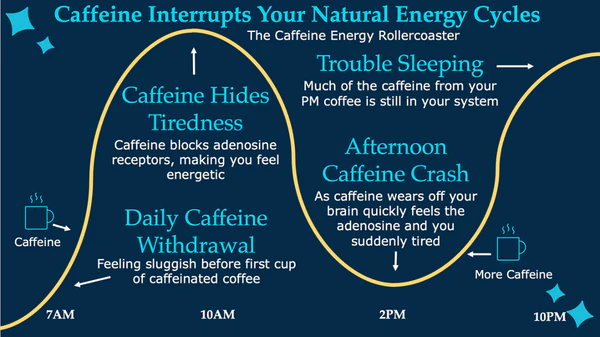
Health experts have concerns about mental health with how much caffeine teenagers consume. A recent article that was published by People reported that energy drinks can increase teen’s risk of ADHD symptoms, anxiety and depression. Medical organizations such as the American Academy of Pediatrics have also warned that high caffeine intake in adolescents is linked to reduced deep sleep, which is essential for brain development and recovery. Too much caffeine creates a cycle where students feel like they need it because they are already tired.
Teachers have also noticed the effects of caffeine use in school. Mr. Schottler, Social Studies teacher, said, “Caffeine keeps me focused at my job, but I crash towards the end of the day. Kids who drink caffeine can sometimes become overly energetic, which causes disturbances in class. Then, the next day, those same kids are exhausted and sleeping in class.” As a teacher who works with students daily, Mr. Schottler regularly observes changes in student focus and energy levels.
While caffeine can temporarily boost alertness, it is not a replacement for proper rest. Students who rely on caffeine often experience energy crashes, anxiety, and difficulty sleeping at night. This makes the habit harder to break, especially when students feel pressure to do well in their academics.
Even with these risks, many students feel like caffeine is necessary. School’s early schedules, homework, and extracurriculars, it makes it difficult to prioritize sleep. Until these expectations change, caffeine will continue to be a common coping tool for high school students.
Caffeine may help students get through the day, but it also highlights a larger issue – stress and exhaustion within teenagers. As students try to balance everything going on in their lives, energy drinks and coffee have become part of daily life, even if the long-term effects are concerning.


