
The art of voguing is not solely about the dance style itself. It also focuses on the power of community and the fight for acceptance. Emerging from Harlem’s ballroom scene in the late 1970s and early 1980s, voguing became a powerful form of self-expression for LGBTQ+ individuals, especially those from Black and Latinx backgrounds.
Voguing was a lifeline for the LGBTQ+ community seeking acceptance during an era of widespread prejudice. Yet as voguing began to flourish, the devastating AIDS struck the very communities that had brought this dance style to life. As the crisis unfolded in the 1980s and 1990s, voguing evolved into a space of activism, mourning, and resilience, with the ballroom scene being a powerhouse for the voices of those struggling to be seen and heard.
The technical view of voguing can be described as using your hands to strike poses on the dance floor with three different types of voguing: Old way, New way, and Vogue Fem, each having its unique use of hand movements, but all from the same roots of voguing.
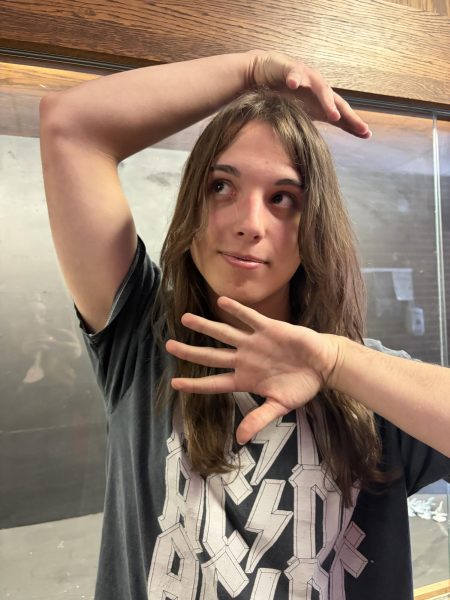
In an interview with Uriel Franklin, Class of 2027, she said that “I would say the biggest difference between voguing and other dance styles I’ve learned is that it’s a lot more focused on hand movements, and almost like you’re posing more than anything.” Uriel highlights the difference, unlike other dance styles, being somewhat blended, voguing is unique in the way that it’s almost like hitting a pose on the runway, incorporated with using their feet to glide on the ballroom floor. She also adds, “I think I want to learn more about the history behind it, as I’ve only really learned about the dance style.”
This same sense of curiosity is seen through Mrs Barnett, the dance teacher at Coronado, who reflects on her own experience with voguing. When asked if she had found ways to blend voguing in her classes, she explains, “I haven’t incorporated voguing into my classes yet since I am not very familiar with it, but I am interested in learning more and seeing how it might mix with styles I already teach.” Reflecting on her first encounter with voguing, Mrs. Barnett adds, “I felt very immersed and entertained as it’s so much different than your average dance styles, especially with the story behind it and how it’s used to bring people together.”
Together, Uriel’s curiosity and Mrs. Barnett’s openness reflect how voguing continues to inspire new conversations and connections. As the dance style evolves, it remains a powerful symbol of community and self-expression, bringing together generations, classrooms, and ballrooms alike.