The federal government has been shut down since October 1, 2025, making it officially the longest recorded shutdown in our nation’s history. This shutdown has affected millions of Americans across the country, but the effects don’t stop there. Our very own national parks are in a predicament with a lack of funding and workers as they are still fighting to stay open, risking permanent damage to landscapes, monuments, and the National Park Service as a whole.
National parks have been working to stay open during the government shutdown, but they are understaffed, leaving visitors with limited trails to hike and poorly maintained amenities. JJ Ziser, Outdoor Education teacher and chaperone, discusses the effects of this, emphasizing that “[the parks are faced with] an inability to maintain, protect, and conserve some of the nation’s most hallowed and revered landscapes.” This has resulted in national parks being flooded with hikers without permits, campers camping outside of designated areas, and many illegal activities. This is far more severe than the media has portrayed, with pristine artifacts and stunning views being overrun by excited visitors, and preservation efforts significantly decreased due to a lack of staffing.
Though the US National Parks are beautiful, it’s becoming a monumental risk to keep these parks open without the funding provided through the national government. Unfortunately, the lack of funding has began pushing the situation of closing the parks as a whole. In the light of trying to keep these precious resources safe, the parks remaining open during a lapse of funding only poses a greater threat to vandalism, pollution, and destruction that may be avoided or limited by shutting off access to the public.
A particular example of this destruction is posed by Yosemite Valley, an iconic location within Yosemite National Park, that has been flooded with chaos. Hikers without permits, illegal BASE jumpers, and campers outside of designated areas are swarming this pristine area. An article posted by The Guardian says that “People have been spotted BASE jumping off high granite peaks, swimming in reservoirs where it is prohibited, camping and parking in unauthorized areas and climbing Half Dome’s cables without permits. Though these activities have happened in the past, the frequency has been much higher with limited law enforcement in the valley.” The precious resources that are protected in Yosemite National Park and many others are at a severe risk, and the government shutdown is prolonging this threat to the beautiful places harbored in the United States.
This lapse in funding and enforcement may be causing temporary disarray within the parks, but it also poses a more permanent loss of staff. With the delay in funding, national park employees are not receiving pay for their work, and many of these workers already receive very limited pay. This may cause many workers to leave the national park system and seek jobs outside of the parks, meaning that even when the parks inevitably reopen, the decreased staffing will remain. Unfortunately, “the reputation of the Parks service, by no fault of their own, has been severely damaged,” and the consequences may continue beyond the constraints of the government shutdown.
The limited access to national parks is not only a national issue, but a very local one as well.
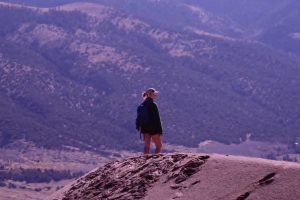
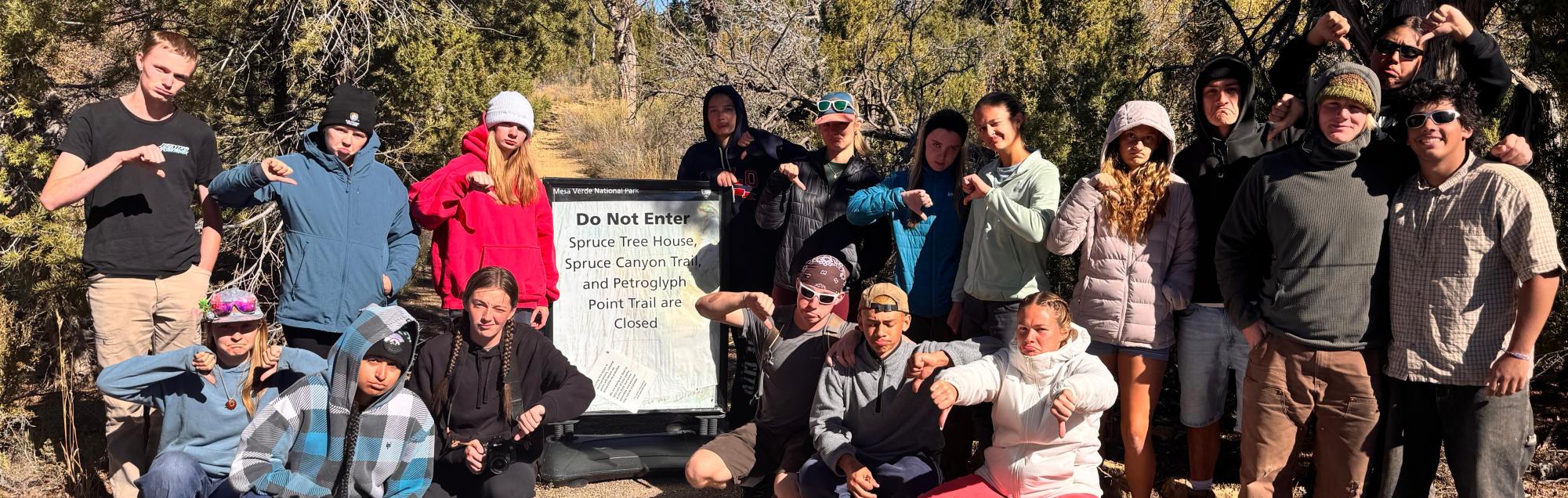
Coronado’s Outdoor Science class took a trip from October 24-29, visiting the Great Sand Dunes National Park, Hovenweep National Monument, Canyon of the Ancients National Monument, and Mesa Verde National Park. All four of these locations rely on federal government funding to maintain and protect the natural resources and historical monuments within, and Coronado students were deprived of an opportunity to truly experience these locations. Steve Ottmer and JJ Ziser spent significant time planning an immersive and valuable experience for the students on the trip, and Ziser says, “I couldn’t have [my students] descend into a keva, look up at the lights, and have a revelation.”
The students on this trip were unable to access the meticulously preserved historical ruins within Mesa Verde, as trails and access points were closed due to a lack of a maintenance team. Emelia Lommel, Class of 2026, discusses the disappointment of this trip, saying, “It was exciting to be able to get that experience, but I know a lot of us were frustrated when we found out the stuff we had planned was closed.” Many of the visitor centers, museums, and trails that the class had planned on visiting were closed, and the teachers and chaperones had to find supplemental activities for the group.
The government shutdown has lasted longer than ever before, and its effects will now be more severe as well. The Senate’s inability to agree on the spending bill has drastic effects across the country, affecting millions of American citizens, and the longer it goes, the more severe the consequences will become. The national parks our country has so perfectly preserved do not deserve to be destroyed, and we cannot allow the federal government to be the downfall of the beautiful natural resources the United States of America has to offer.