All the media people consume influences their daily lives, from TikTok trends to the newest movie in theaters; it changes the way people live, and especially the way people talk. Today’s conversations, whether in classrooms, group chats, or even between teachers and students, are littered with slang that didn’t exist a year ago. Modern buzzwords reflect how much the media shape daily language. Media isn’t just influencing the way people talk; though, it’s reinventing it completely.
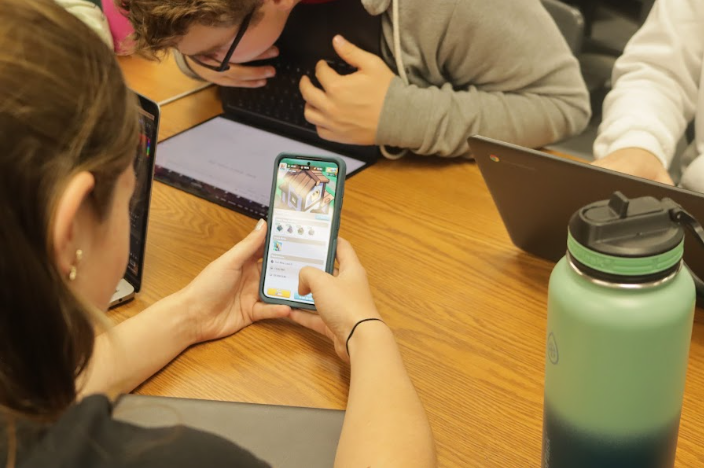
When asked How do you consume most of your media? Nearly everyone who was interviewed said the same thing: Instagram and TikTok. A few mentioned movies, YouTube, podcasts, books, or news, but social media was the clear leader, and this is evident because the slang students use most often comes directly from these platforms. The most buzzwords repeated from every interview were “Cooked, lowkey, and chopped.” People said they hear these all the time. Other popular buzzwords, such as “ClockIt, Geeked, 6-7, Bumbleclot, bro, your mom, and I fear,” also circulated. Some students added that if they didn’t hear a word or phrase from their phone, they heard it from a friend.
These terms don’t just pop up randomly; they spread through short videos, memes, and trends. One viral clip is changing an entire demographic’s vocabulary overnight. Many of these words that were once everywhere are now “cringe,” “outdated,” or “forgotten.” This shows how quickly the media moves. A phrase can go viral on TikTok, spread all over the internet, and then disappear all within a couple of months.
Slang has always evolved, but the speed of change in the media is something completely new. Teachers also shared what they hear students saying most often. Words like “GOAT,” “huzz,” “chuzz,” and “deadass” are phrases they said they hear daily in the classroom. When asked what slang they used back in high school, Ms. McDowell, an English teacher, said that during high school, “on fleek” was one of the biggest phrases everyone used.
Instead of phrases and references being passed around at school or in small groups, today’s slang is shared by millions online, making them spread faster, farther, and ultimately die out quicker. Based on the interviews, it’s clear that media, especially social media, is the driving force behind modern slang. People aren’t just influenced by friends; they’re influenced by everything they see online and in person. And as long as the media keeps evolving, the way people talk will keep changing along with it.