

On February 24th, Pueblo recorded a high of 84 degrees, Colorado Springs was at 75, and Denver hit 71. Most people (including myself) were delighted by the break in the cold and ran outside in a t-shirt and shorts, ready to get the tan on, and Colorado has experienced 28 60+ degree days since December 1st. But the short-term benefits of a little Vitamin D this winter may have some long-term consequences on Colorado’s tourism industry, particularly anything that has to do with ice and snow.

Colorado is well-known for its winter sports athletics, particularly the high alpine, massive ski resorts across the state. Many Coloradans frequent world class ski resorts scattered across various mountain towns, notably Breckenridge, Vail, Aspen, and Telluride.
Not only do these resorts present classic downhill skiing and a number of lifts, but also draw people in for backcountry skiing and hut-to-hut adventures.
According to the Colorado Sun, these resorts are bringing in 26.7 million visits as of 2024, and generate almost 5 billion dollars in revenue annually. The skiing industry is a huge component of Colorado’s tourist revenue, and is heavily dependent on one important factor: snow.
February was not only generally warm, but there was only one major storm in the mountains, at the very end of the month. Prior to that storm, there was very little snowpack and resorts were having to utilize their snowmakers to open. Major ski resorts like Arapahoe Basin and Keystone have reported being down 60% of average snowpack, and have been unable to fully open the resorts this late into the season. These various closures have resulted in a 23% drop in attendance to ski resorts, and resorts have not been able to be fully staffed.
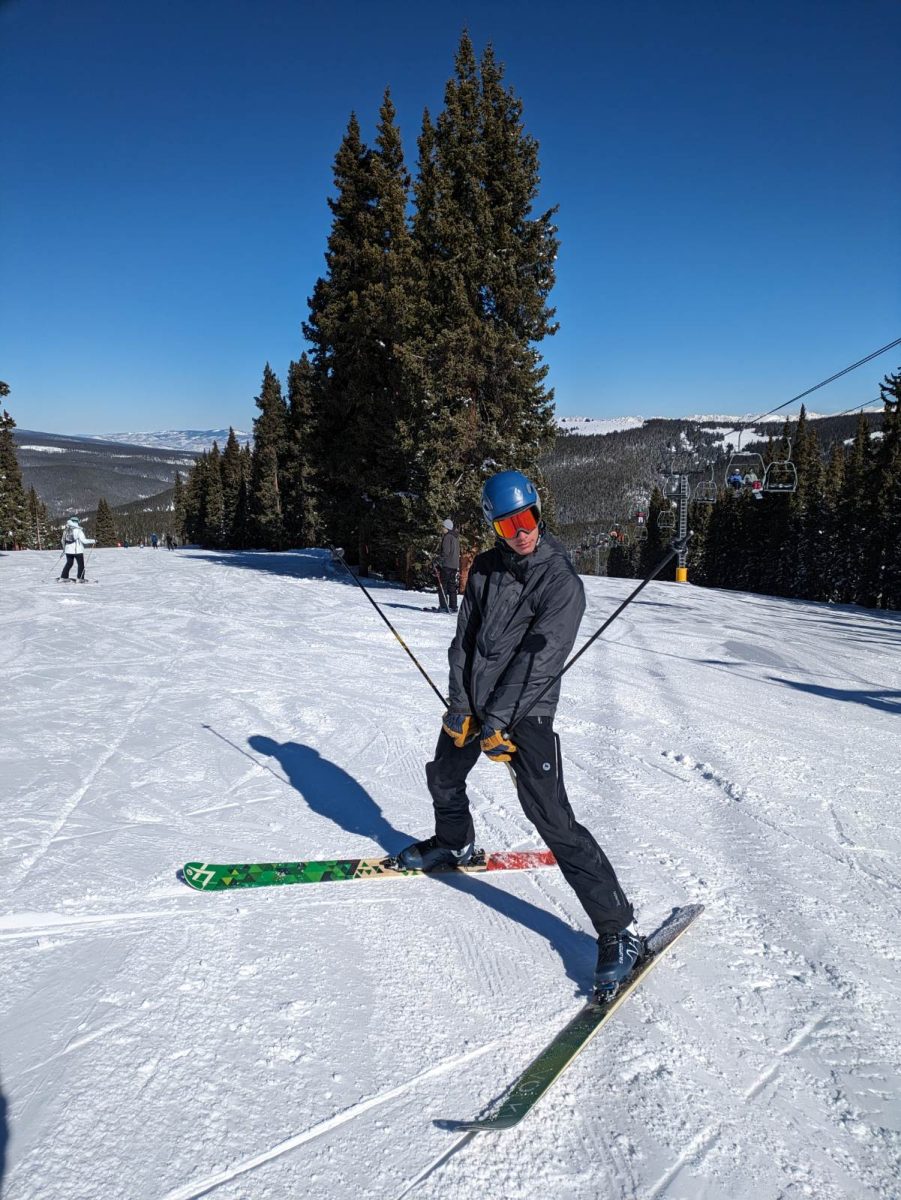
Mr. Ziser, AP United States Government teacher and recent ski resort visitor, reported mediocre snow when he took his daughters up for the weekend. He says that “It wasn’t quite slushy yet, but it was definitely starting to get a little melty and not ideal. And not only that, but I was skiing down in a t-shirt and I was still hot.”
These warm temperatures are creating less than ideal conditions for the high amount of tourists who come for Colorado’s iconic skiing culture.
Not only that, but other winter based tourist activities have been cut. Ouray hosts an ice climbing festival every late January and February, but this year all on-ice activities were rebranded as the Ouray Ice(less) Festival. This can be directly attributed to the lack of snowpack and the heat causing past ice structures to be unstable and unsafe for the athletes to be on. Along with that, the Cripple Creek ice castles have been closed until further notice, because there truly just isn’t enough snow and ice to go around.
So where is this phenomenon coming from? It is a result of the weather phenomenons known as La Nina and El Nino, which are driven by changing weather patterns caused by the warming of the ocean. In 2026, the weather transitioned into the La Nina phase, which means that the Pacific Ocean is cooling and pulling moisture towards Indonesia. The moisture being pulled away causes the central to southern US to experience drier and warmer summers, and this specific heat wave has been caused by a high pressure ridge across western US, resulting in hot air being trapped against the Rocky Mountains. The mountains that desperately need the snow are part of the reason that February has been lacking in moisture.
Colorado has its reputation for warm, sunny days during the summer, but the sun doesn’t fit in these winter months. Colorado is driven by its winter tourist industry, and Coloradans are anxiously awaiting the snow to come. This fake spring desperately needs a big snow, or else Colorado may be suffering more than we realize.


