

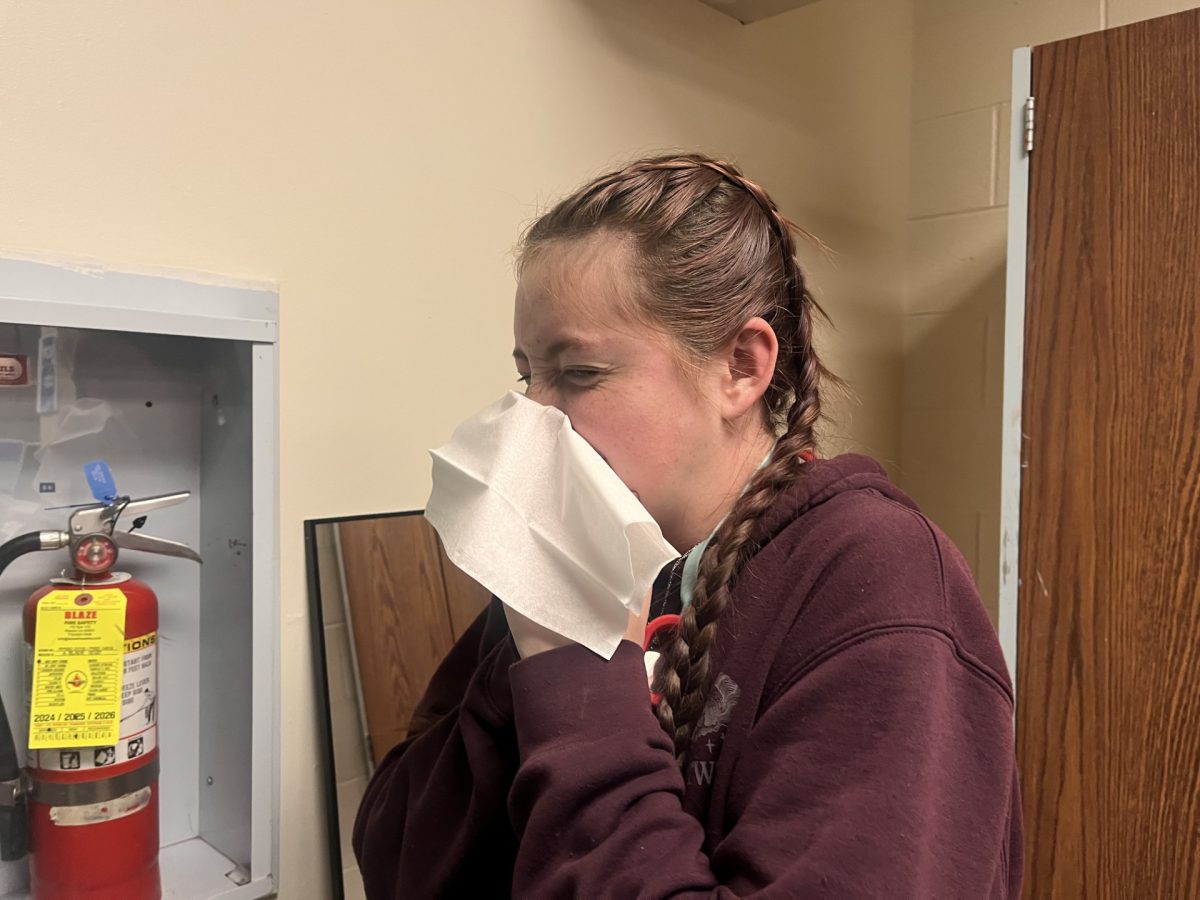
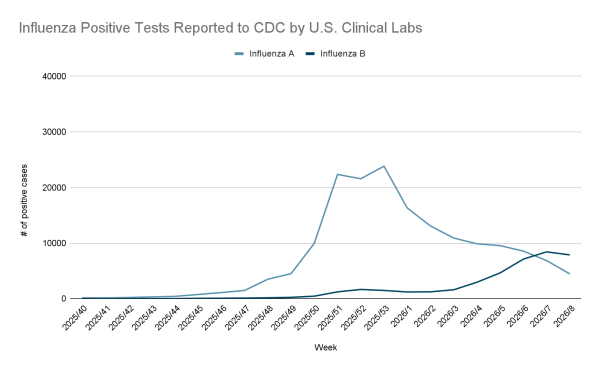
As winter transitions into spring, cases of Influenza continue to affect communities and schools across the United States. Health Officials say flu activity typically rises in the fall, peaks during the winter months, and gradually declines as temperatures begin to warm. According to the Centers for Disease Control and Prevention, the virus spreads mainly through respiratory droplets when infected individuals cough, sneeze, or talk, making schools a common environment for transmission.
Local first responders say flu season often leads to an increase in emergency calls. Beth Tupou, an EMT instructor and active paramedic, said respiratory-related incidents become more frequent during this time of the year. “During flu season, we definitely see an increase in calls related to respiratory illness,” he explained. “Sometimes it’s just the flu making people feel miserable, but other times it can lead to complications like dehydration, breathing problems, or worsening of conditions such as asthma.”
Students have also noticed the impact firsthand. Macy Crumley, a member of the school’s EMT program, said illness has affected attendance and academic performance. “I’ve noticed a lot of students getting sick, including myself,” she said. “People miss classes and activities, and then they have to make up tests and assignments. It feels like illness just moves around the classroom until everyone has been exposed.”
Health experts say prevention remains one of the most effective ways to slow the spread of influenza. Regular handwashing, covering coughs and sneezes, staying home when sick, and maintaining overall wellness habits can help reduce transmission. While many flu cases can be managed at home with rest and hydration, officials advise seeking medical attention if symptoms become severe or worsen unexpectedly.
Although flu activity often decreases by early spring, health organizations continue to monitor cases throughout the season. As communities move toward warmer months, awareness and preventative measures remain important in limiting the spread of illness.


