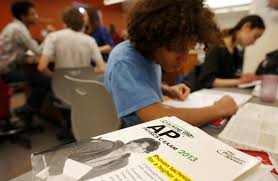
For the last 50 years, public education has generally been the same across America. Students are expected to come to school every day, sit in a classroom for 40 plus minutes at a time, memorize whatever is on the board, and go out into the real world ready to function on their own.
This generation’s parents, grandparents, and their parents before them all had the same expectations. The most significant difference between the current generation’s schooling and past generations is that education is almost entirely online.
The needs of students in this generation are drastically different from those of students in the past, so why haven’t different approaches been taken to teach in ways that help the students of today and not those of 50 years ago?
According to the U.S. Department of Education, the first schools taught the basics of reading and writing, and had to be funded by tuition or were organized by parents. Without the normalization of public education or the funding, the education given to children was minimal, and teachers were underqualified.
After the American Revolution, the rise of democracy encouraged citizens to become educated. The Department of Education states, “The Founding Fathers maintained that the success of the fragile American democracy would depend on the competency of its citizens.”
In the 1830s, a Massachusetts legislator named Horace Mann was the first to advocate for public education to be available completely free to all students and funded by the state. These schools were called “common schools”, which would become known as public schools, and would prepare “students for citizenship and work” and “strengthen the nation’s economic position.”
Since the establishment of public schools, the biggest change that has taken place is that schools have become truly available to everyone, no matter their race, gender, income, or disability. Educators and board members are consistently working to improve education by adding more classes with more material to memorize and work on, but there has been minimal progress in adapting how information is taught to students.
Today, public education allows for more creativity and variety. Many educators encourage students to pursue careers that suit their interests and make them happy, yet students are still being pushed through school like worker bees preparing to contribute to the hive.
So how can students of this generation get a good quality education without simply becoming worker bees?
A modern method that works for most students is hands-on learning. At Coronado High School, one class stands out against the rest: Outdoor Science and Southwest Studies. This class is split into two sections, focusing on water science and the history of the West. These classes allow students to experience their learning outside the classroom, making their education more experiential.
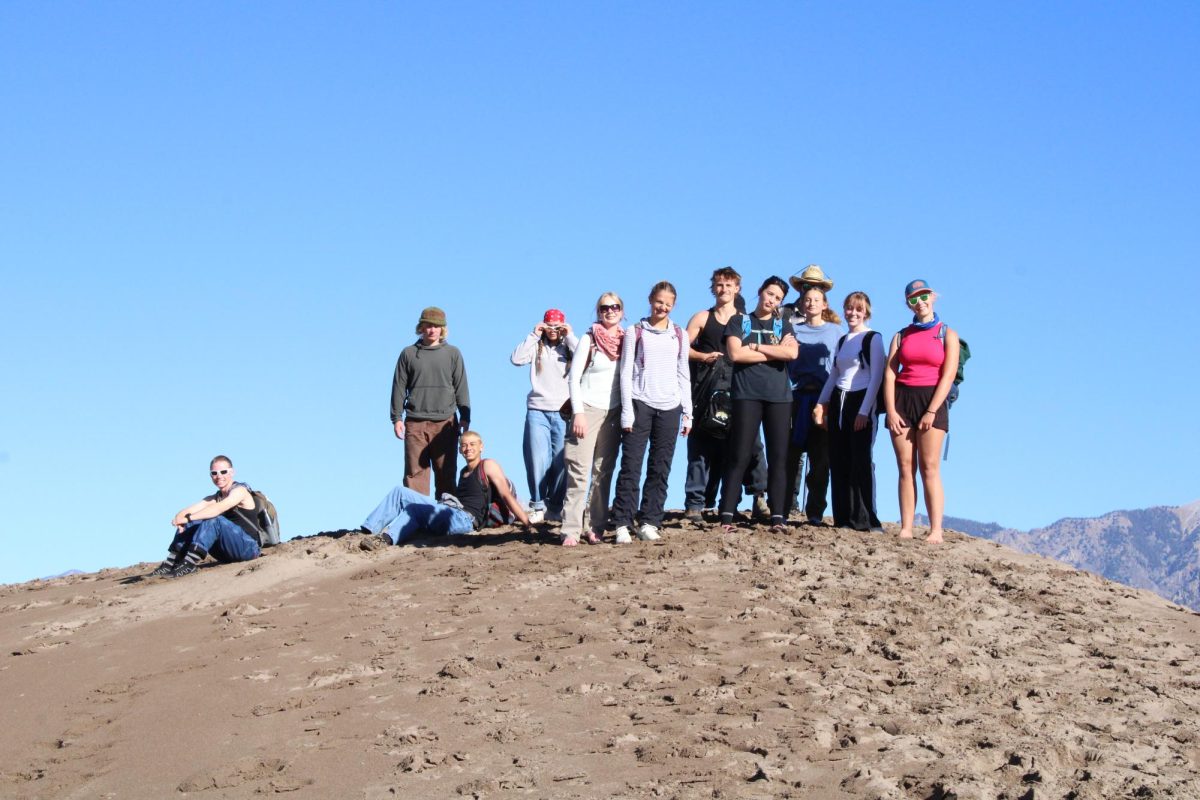
In Outdoor Science, students spend time in open spaces and hiking areas around the community, taking samples for biodiversity, testing water for the Colorado River Watch program, and exploring the world around them.
Mr. Ottmer, the Outdoor Science teacher at Coronado, states that the goals of this learning approach are to show students “that science can happen outside as much as it can inside” and that this learning “is what happens in the real world.”
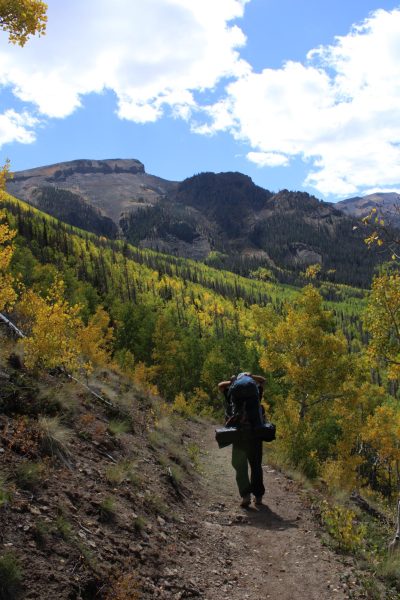
The program receives a lot of support from Coronado’s principal, Addi Arnell. With the inclusion of Southwest Studies, the goals for the class can be pushed even further. Arnell explains, “I think that’s all connects, and I love that we can be very cross-curricular because that’s really how the world is, it’s not really like a classroom.”
The Outdoor Science program is supported by many at Coronado because the class provides more for students than just academics. It allows them to connect with their classmates in ways that traditional classes can’t. Both past and current students talk about the lifelong memories they made going on trips with the class and spending time together around community.
If more classes like this were available, students’ wants and needs would be met, and they would feel a greater sense of community. With this approach, students can learn to think for themselves and avoid becoming worker bees.